
The major festivals in Malaysia!
festivals
Major festivals


festivals
Hari Raya Aidilfitri
01
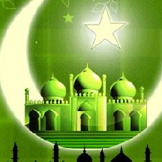
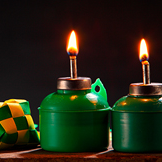
Hari Raya Aidilfitri is one of Malaysia's most iconic festivals, marking the end of the fasting month in the Islamic calendar.
Core Spirit:
Core Spirit: Gratitude, Self-reflection, Forgiveness, and Sharing
Ramadan: During the month preceding the festival, Muslims fast from dawn to dusk, cultivating empathy, self-discipline, and piety.
Atmosphere & Symbols:
Traditional attire colours are green and white, but people now wear Malay traditional clothes in various colours.
Cuisine: The feast invariably includes Lemang (glutinous rice in bamboo), Rendang, Satay, Curry Puffs, and an array of delicate Malay cakes.
Green Packets: Similar to Chinese red packets, elders give green packets containing money to the younger ones, symbolizing blessings and love.


festivals
Chinese New Year
02
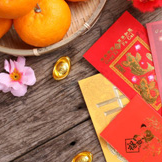
The Malaysian Chinese community preserves traditions thoroughly, and the Chinese New Year celebration is grand and traditional.
Core Spirit:
Reunion Dinner: The dinner on New Year's Eve is the most important meal of the year. Dishes are symbolic, such as Fish (for abundance), Chicken (for good luck), and Raw Fish Salad (for prosperity).
Atmosphere & Symbols:
Decorations: Homes are adorned with red lanterns, couplets, and "Fu" character posters. Malls and temples are decked out in red.
Sounds: Although firecrackers are banned, people often use electronic versions or play recordings to create the festive atmosphere.
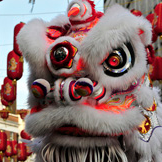
Cultural Shows: Lion and Dragon Dance troupes perform in streets and commercial premises, "plucking the greens" to ward off evil and usher in prosperity.


festivals
Deepavali
03
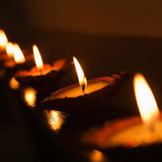
Deepavali, the Hindu "Festival of Lights," symbolizes the spiritual victory of light over darkness and knowledge over ignorance.
Core Spirit:
At its heart, the festival celebrates the core spirits of light, hope, and the ultimate triumph of goodness. The atmosphere is filled with joy and a sense of renewal, marked by vibrant colors, traditional attire, and the sharing of special foods.
Atmosphere & Symbols:
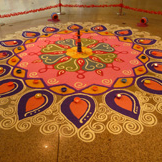
The celebrations include several meaningful traditions. Homes are illuminated with rows of oil lamps, representing light and hope. Women often create beautiful Kolam (Rangoli) patterns at their doorsteps to welcome deities and bring prosperity. On the festival day, a ritual oil bath signifies purification, followed by prayers at the temple while wearing new clothes. Similar to celebrations like Chinese New Year, people visit relatives and friends, exchanging gifts and greetings. A key part of the festivity is sharing a variety of traditional Indian sweets and savory snacks, such as Murukku and Laddu, with family and neighbors.


festivals
Thaipusam
04
Thaipusam is a Hindu festival characterized by profound devotion, penance, and resilience, creating truly spectacular scenes.

Core Spirit:
The festival's core spirit revolves around fulfilling vows and demonstrating unwavering devotion to Lord Murugan.
Atmosphere & Symbols:
Rituals and Procession The most striking aspect is the physical acts of penance, where devotees bear various forms of "Kavadi" to show repentance or gratitude for answered prayers. These range from carrying simple pots of milk to extreme forms involving piercings through the skin, cheeks, and tongue to support large, ornate structures—all reportedly endured in a trance-like state without pain. The culmination is a massive procession, where thousands walk from central Kuala Lumpur to the Batu Caves, climbing 272 steps amid drumming and chants of "Vel Vel!" as they offer their Kavadis to the deity.


festivals
Kaamatan & Gawai Festival
05
The indigenous communities of Sabah and Sarawak in East Malaysia celebrate vibrant harvest festivals, primarily to give thanks for the rice harvest.

Core Spirit:
These festivals are deeply rooted in a core spirit of gratitude, honoring ancestors, and strengthening community bonds. The atmosphere is one of cultural extravaganza, often centered around the iconic longhouses of Sarawak, where multi-day celebrations take place.
Atmosphere & Symbols:
Traditions and Celebrations Tribal priestesses, such as the Bobohizan in Sabah, perform intricate rituals and make offerings to the rice spirit to give thanks and pray for future prosperity. The celebrations feature traditional dances like the Sumazau and the Hornbill dance, music performances, and beauty contests. A key symbol of friendship is the sharing of home-brewed rice wine, Tapai, which is offered to guests as a warm welcome. Participants adorn themselves in traditional black-based costumes with elaborate beadwork, adding to the festive visual spectacle.
